On 10 and 11 September, the Department of Aerospace Science and Technology (DAER) at the Politecnico di Milano, in collaboration with Rotary Distretto 2041, hosted the workshop ‘SPAZIO alle opportunità – SPACE for Opportunities’.
The initiative brought together students, lecturers, researchers and industry representatives to explore a rapidly evolving sector, in which scientific research, technological innovation and new applications are opening up increasingly broad and diverse career prospects.
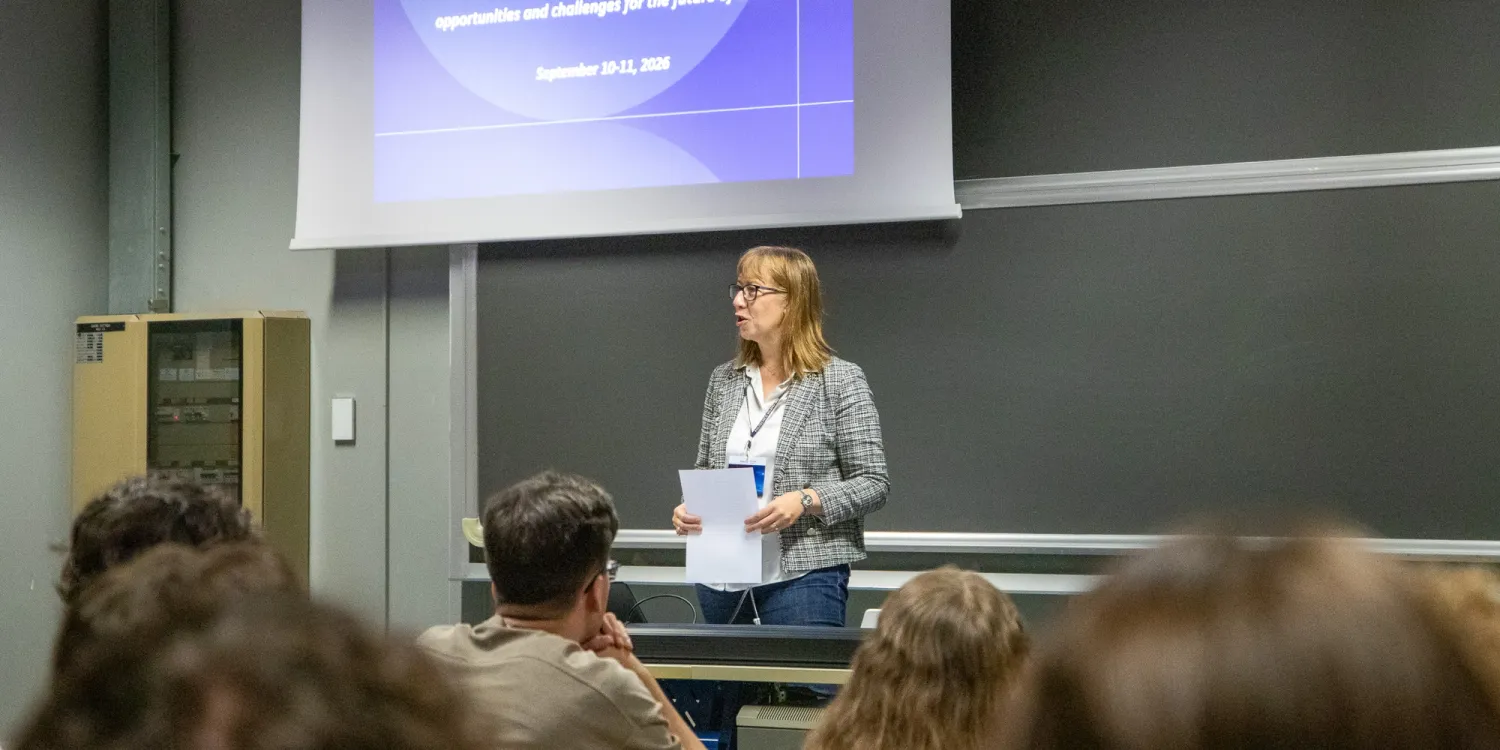
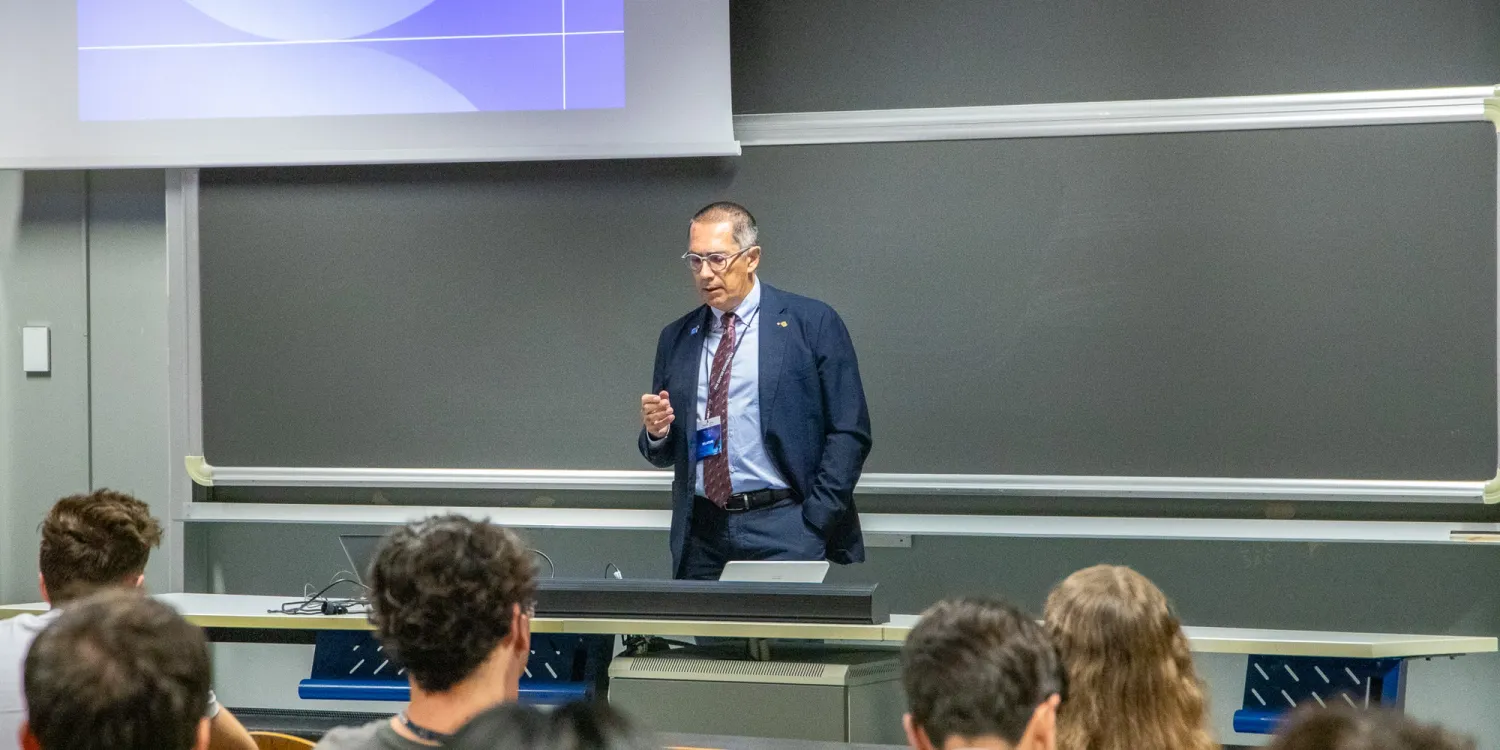
The proceedings on 10 September were opened by Professor Mara Tanelli on behalf of the Politecnico di Milano and Massimiliano Papa on behalf of Rotary.
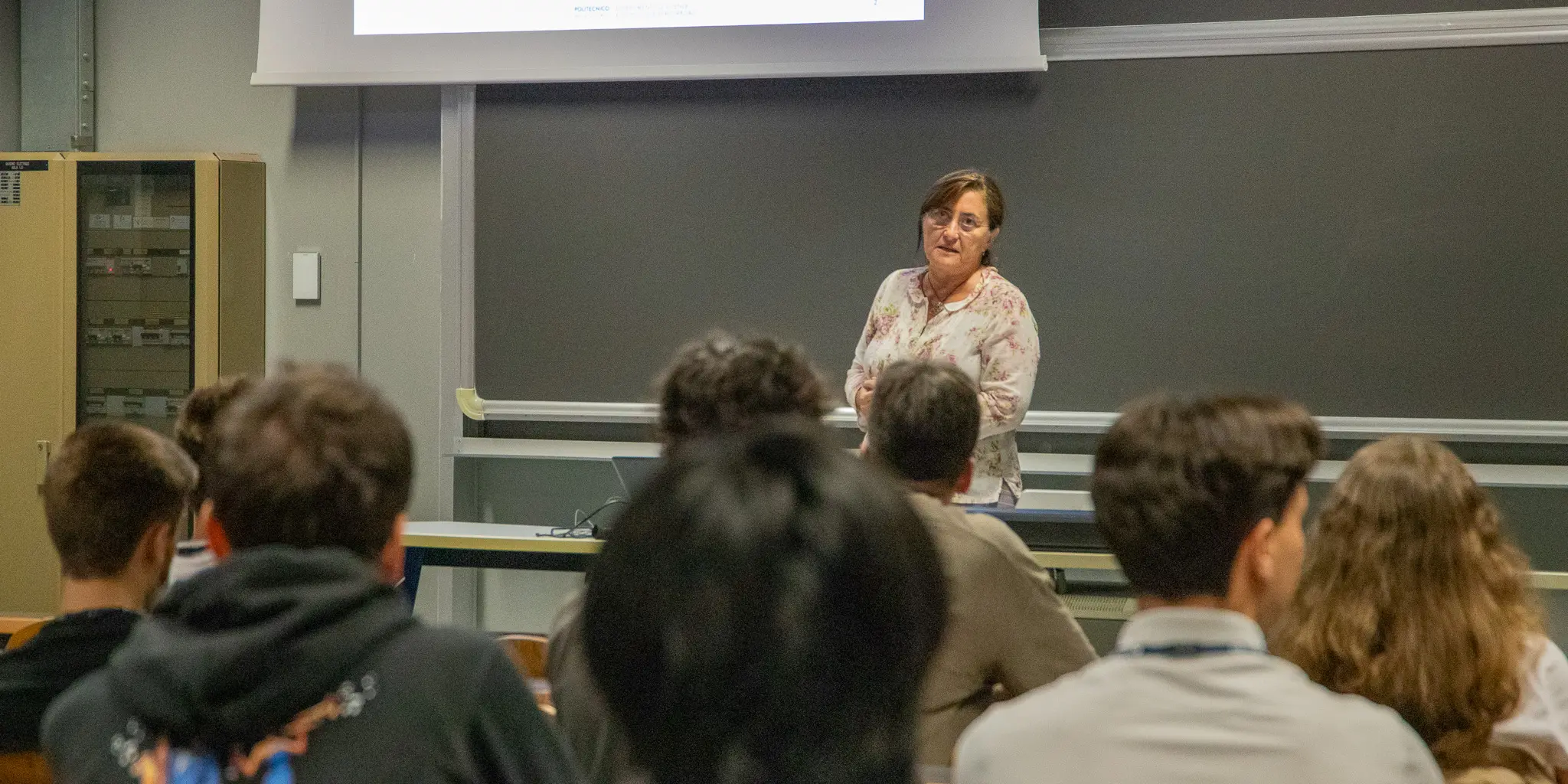
Professor Michèle Lavagna, from the Department of Aerospace Science and Technology, outlined the opportunities and challenges of an evolving ecosystem.
The first day covered some of the areas in which space technologies are already having a tangible impact on society. Professor Giovanna Venuti outlined the role of Earth observation and satellite data, whilst Professor Lorenzo Luini explored navigation, telecommunications and connectivity in greater depth. The discussion then broadened to include new applications and services within the Space Economy, with contributions from SunCubes, D-Orbit, Planetek, OHB and Intecs, ranging from energy transmission and in-orbit services to space engineering and GNSS monitoring.
The second day turned the spotlight on the new frontiers of robotic and human exploration. Presentations by INAF, Thales Alenia Space and Leonardo addressed topics ranging from our understanding of the Universe to future orbital infrastructure, as well as servicing, in-orbit refuelling, space debris management and manufacturing in space.
Against this backdrop, DAER explored some of the technological challenges at the heart of research into future missions, ranging from advanced and self-healing materials to the use of resources available on site. The possibility of producing essential resources on the Moon, such as oxygen and propellants, using water and lunar regolith is, in fact, one of the ways to make exploration increasingly autonomous and sustainable. Finally, TXT highlighted the role of digital technologies, data processing and intelligent systems in future missions.
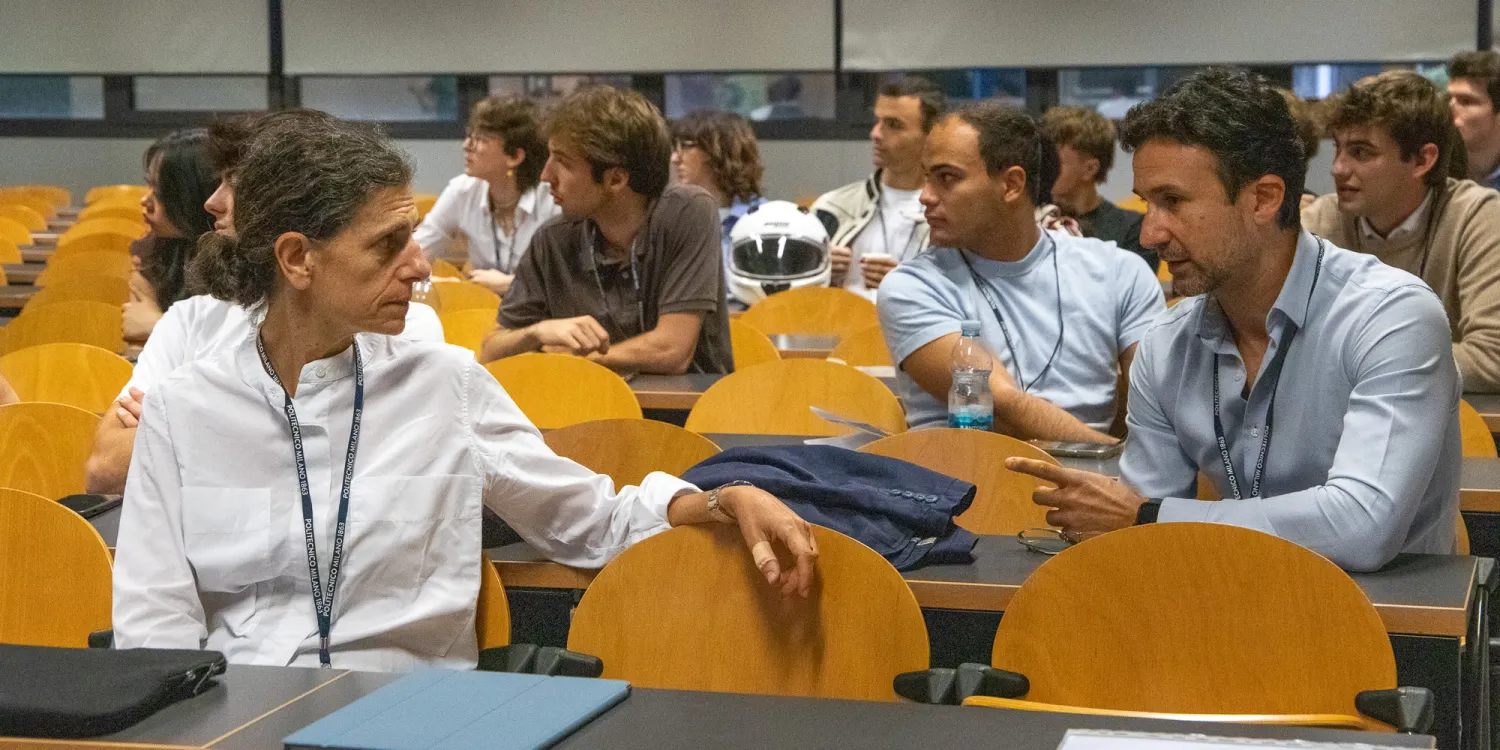
Another key feature of both days was the students’ participation, with numerous questions and opportunities for direct engagement with the worlds of research and industry.
“SPAZIO alle opportunità” thus highlighted an increasingly multidisciplinary sector, which, alongside scientific and engineering skills, requires knowledge relating to data, artificial intelligence, management and many other fields.
For the DAER, hosting the initiative in collaboration with Rotary provided an opportunity to introduce the younger generation to the space sector and to bridge the gap between education, research and industry, demonstrating how the skills developed today form the basis for the technologies, services and missions of tomorrow.